
Embracing Fitness: A Journey Beyond Physical Health
Author:Gowtham Review
Date:May 20, 2026

Often, when people think of fitness, they envision a sculpted body or a marathon runner sprinting to the finish line. However, fitness is a multi-dimensional realm that extends far beyond the physical appearance and capacity. Engaging in regular physical activity not only enhances your muscular strength and cardiovascular health but also bolsters your mental well-being, boosts your mood, and elevates cognitive performance. Studies consistently show that regular exercise releases neurotransmitters like dopamine and serotonin, which help alleviate anxiety and depression. Thus, fitness serves as a robust foundation for a balanced life.
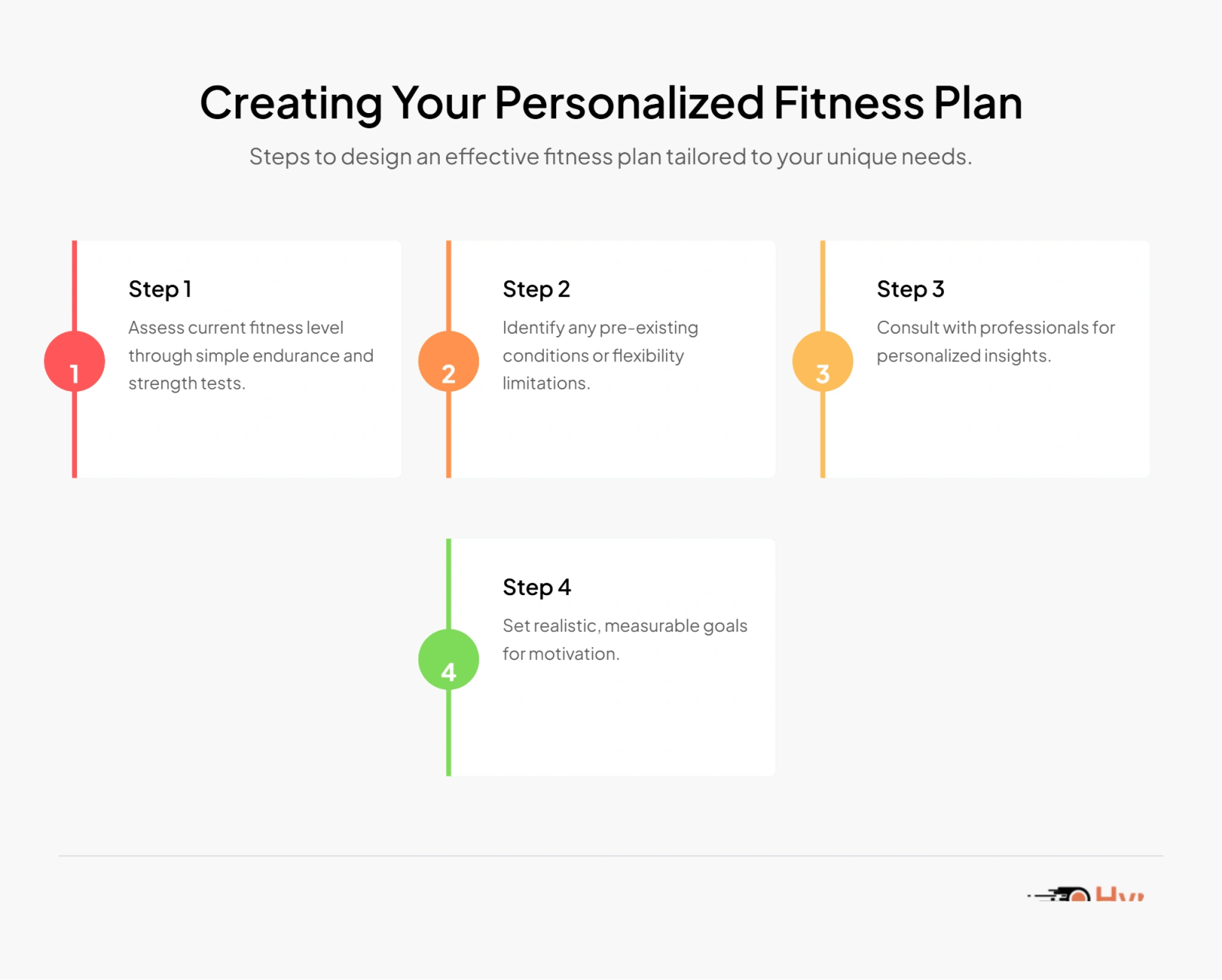
Every individual’s fitness journey is distinct, influenced by factors such as age, lifestyle, and personal goals. To construct an effective fitness plan, understanding your unique body needs is crucial. Begin by assessing your current fitness level using simple tests of endurance and strength. Listen to your body: identify any pre-existing conditions, flexibility limitations, or areas that need improvement. Consulting professionals such as personal trainers or physical therapists can provide invaluable insights into structuring a regimens that align with your health requirements and aspirations.

Download our free guide to kickstart your personalized fitness journey.
Setting realistic, measurable goals is arguably one of the most essential components of a sustainable fitness journey. Aim for objectives that challenge you yet remain attainable, ensuring you maintain motivation and progress. For instance, aiming to walk a certain number of steps each day or gradually increasing the weight you lift in resistance training can provide constant benchmarks for success. Remember to celebrate small victories along the way to maintain enthusiasm and a sense of accomplishment, thus reinforcing the habit of regular exercise.
Regular exercise releases neurotransmitters like dopamine and serotonin, which help alleviate anxiety and depression.
Begin by assessing your current fitness level and set realistic goals. Consult with professionals for tailored advice.
Set realistic, measurable goals that challenge you but are attainable to maintain motivation.
Integrate small activities like walking or cycling instead of driving, and take stairs instead of elevators.
A personalized plan considers your unique body needs, ensuring the regimen aligns with your health requirements and aspirations.
One of the significant missteps people often make is compartmentalizing fitness as an isolated component of life. Instead, fitness should be seamlessly integrated into your daily routine. Finding small opportunities to be active throughout the day – whether it's choosing to walk or cycle instead of drive, taking the stairs instead of the elevator, or even desk exercises at work – can all contribute significantly to your overall health. Through consistent, everyday movements, fitness becomes a natural and enjoyable facet of your lifestyle, rather than an arduous task.
What's your favorite way to stay active daily?
Ultimately, embracing fitness involves understanding and appreciating its holistic impact on your life. It is not merely about the calories burned or the inches lost, but about forming a resilient mind, establishing a healthier lifestyle, and nurturing a sense of fulfillment and peace. As you embark on your fitness journey, remember that it is not a destination but an ongoing process of self-improvement and joy. By embracing fitness, you pave the way to better health and an enriched life.